The Present
All Stories

The case for why AI systems are not merely “stochastic parrots.”

The Havana Syndrome mystery took a strange turn following a CNN report that outlined how the Pentagon had purchased a device through an undercover operation — one that some investigators believe could help explain the illnesses.

Conversations about an imminent “AI bubble” tend to miss the big picture.

From bombed reactors to inflation and blackouts, a cascade of crises is testing the Islamic Republic’s resilience like never before.

To build a better world, we first have to understand how change actually happens.

At the foundation of America’s progress movement are immigrants who still believe this country can build.

Digital tools are pulling us away from fixed texts and back toward fluid, interactive communication.

From Hitler to Hamas, Western powers have repeatedly dismissed open threats as bluffs — with catastrophic results.

Bold megaprojects could turn dry depressions into thriving new hubs of life.

“Think of it like a transcontinental railroad — not the fastest way to move a lot of mass, but certainly the most efficient,” Jared Isaacman said about nuclear electric propulsion.

Behind the plateau in corporate AI lies a surge in personal and agentic use.

Our minds crave simple, linear narratives. But society rarely follows a straight line.

“The rise of the internet brought about similar fears, yet it ultimately made learning richer and more accessible.”

By weaponizing the global economy, the U.S. initiated a new era of economic warfare and transformed how major powers compete.

Migration statistics should be regarded with wariness as they are difficult to analyze properly and easily manipulated for political gain.
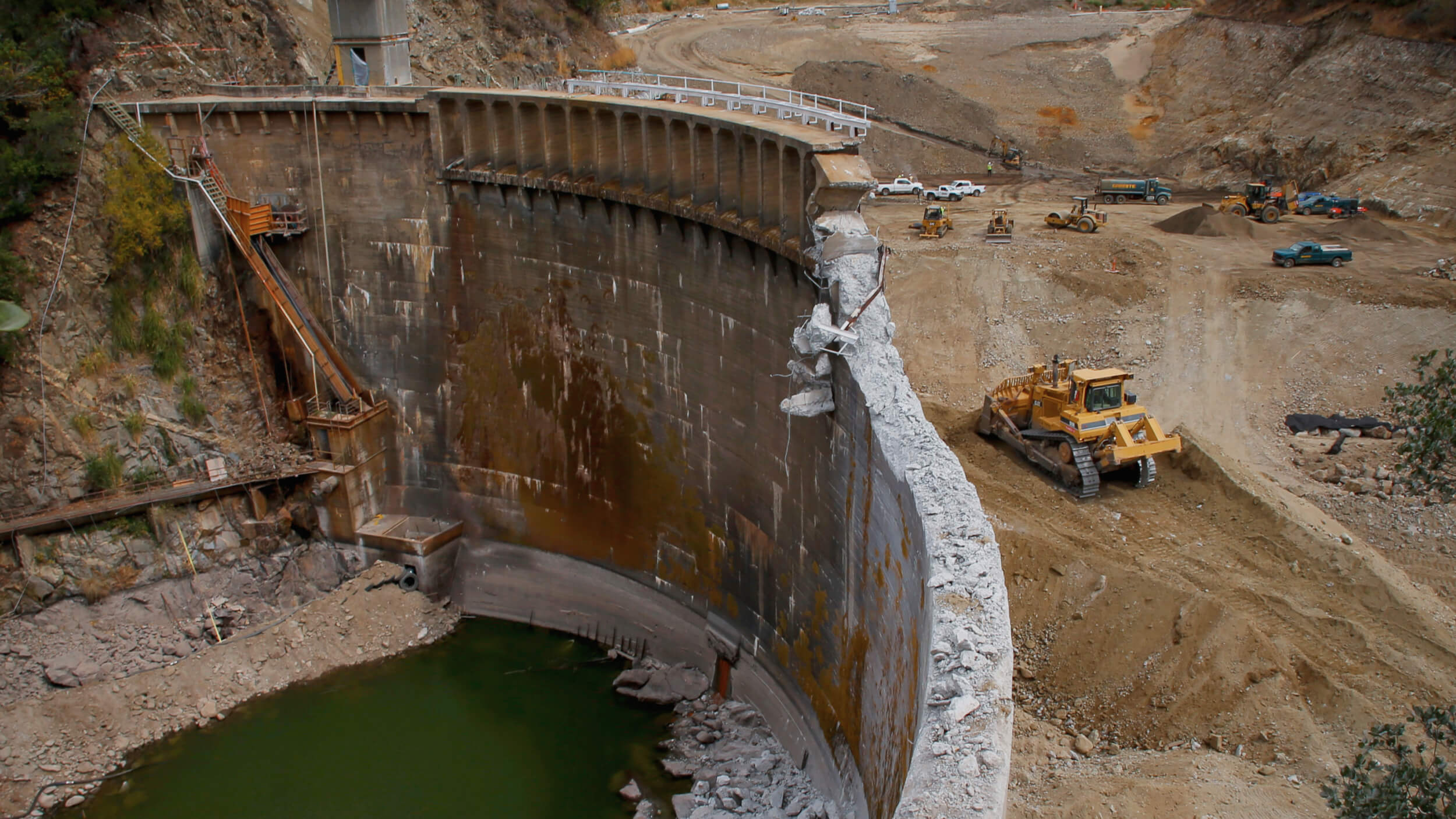
Retrofitting America’s aging dams for hydropower — while removing ecologically harmful ones — may be a productive path forward.

In many ways, the rising anti-phone fervor in schools mirrors moral panics of the past.
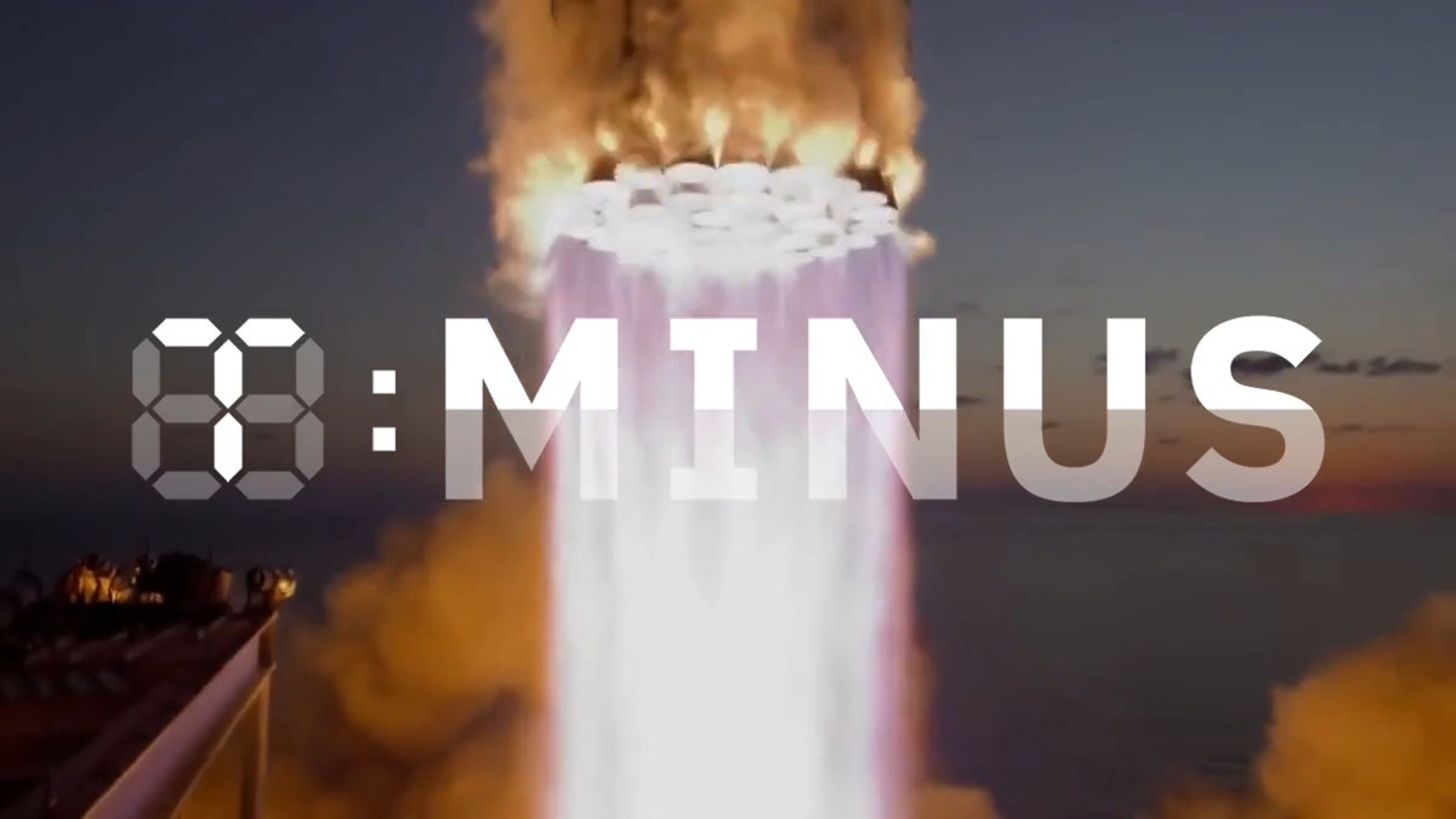
Featuring SpaceX’s “Mechazilla,” a first-of-its-kind spacewalk, and more.

A wave of innovation is coursing through the nuclear industry — but ingrained opposition is the biggest roadblock.
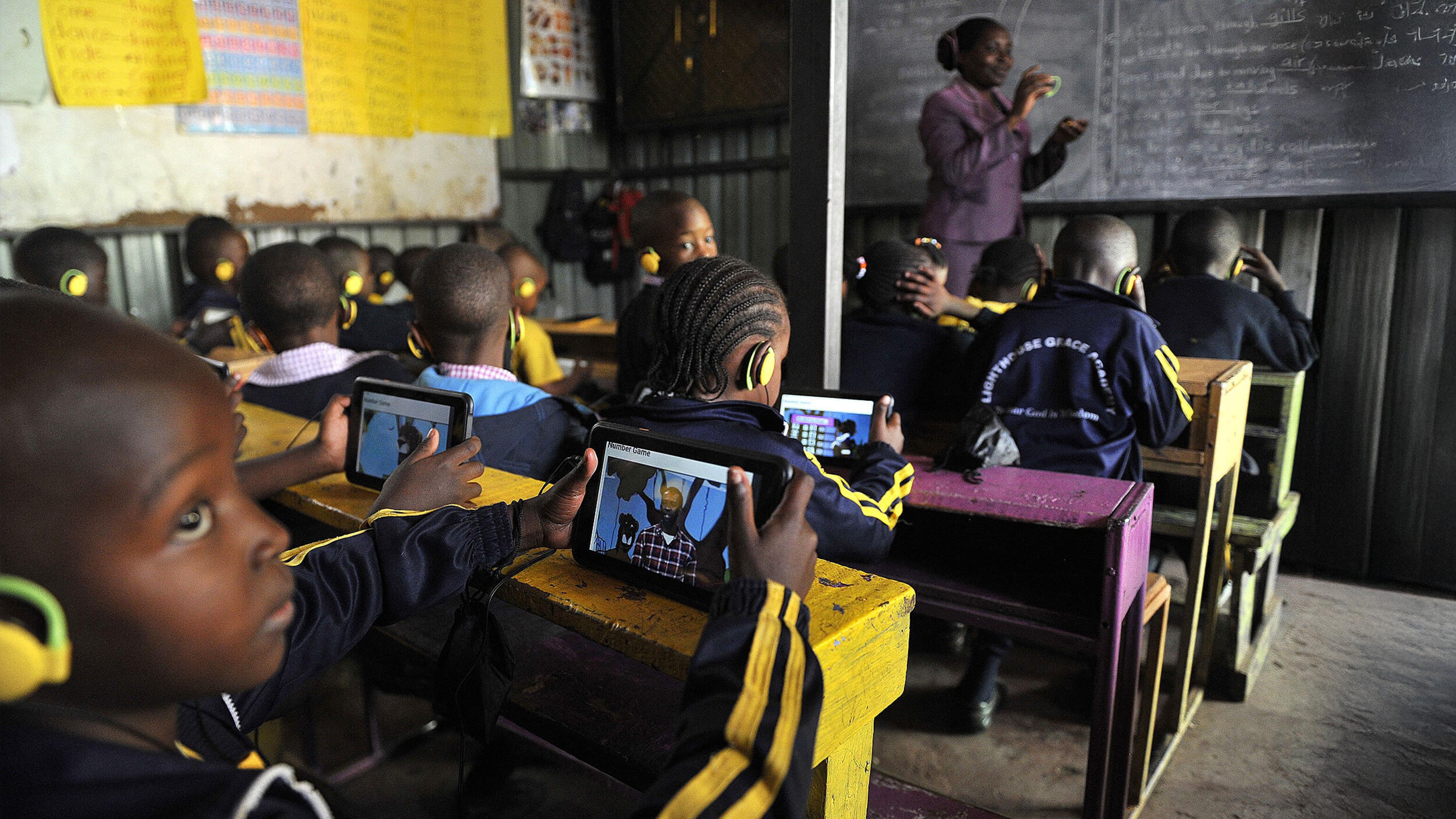
With undersea cables, AI education, and more, the tech giant is helping create Africa’s “digital decade.”
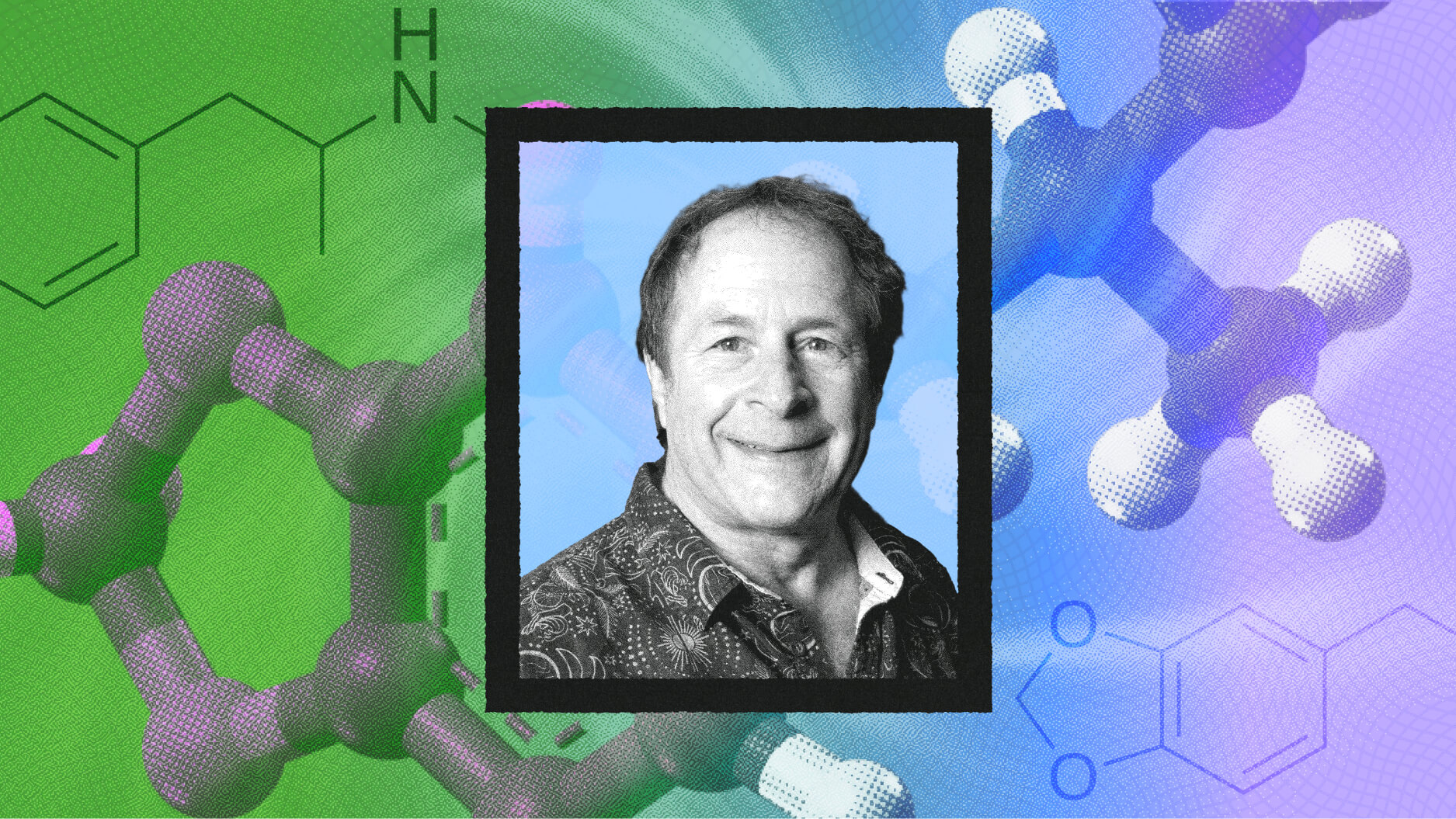
MAPS founder Rick Doblin speaks to Big Think about the FDA’s rejection of MDMA therapy and the future of psychedelic treatments.

An evidence-based policy movement is arming the fight with tools and programs that are more effective than ever before.

The carbon market and offsetting system have created “carbon cowboys” and perpetuated forms of neo-colonialism and other inequities.
The cognitive scientist argues the current AI environment is failing us as consumers and a society. But it’s not too late to change course.

A survey of more than 6,000 of the world’s richest, most influential people shows that 9% of them attended Harvard University.

The tech world’s fixation on artificial intelligence has spawned beliefs and rituals that resemble religion — complete with digital deities, moral codes, and threats of damnation.

Encouraging thoughtful responses over impulsive reactions can help prevent AI exploitation in decision-making.

A National Center for Data and Evidence could supplement our archaic and expensive system and more accurately measure AI’s impact on jobs.

The nonprofit made a bold gamble on the limits of “fair use” — and federal courts have not backed their play.

Around the world, biofuels, so-called green energy sources, are waving major red flags.